
It’s not just a toy. It’s a case study in emotional branding, community-building, and collector psychology.
Labubu, the quirky, slightly eerie character from Kasing Lung’s “The Monsters” series, has gone from niche art toy to cultural obsession. Powered by POP MART’s blind-box model, emotional resonance, and visual storytelling, Labubu isn’t just collected. It’s craved.
This blog breaks down how Labubu became a billion-dollar business by riding the wave of limited-edition collectible culture, designer toy hype, and strategic scarcity marketing, and what brands can learn from it.
TL;DR: Labubu’s Million-Dollar Branding Lessons
- Build emotional resonance through an imperfect, expressive character that feels deeply human.
- Used POP MART’s blind-box model to gamify purchases and fuel repeat buying behavior.
- Created intentional scarcity with limited drops, rare “chase” figures, and time-bound releases.
- Cultivated a thriving community that trades, shares, and generates organic buzz online.
- Let design quirks become brand strengths, embracing weirdness over polish.
- Leveraged secondary markets and influencer moments (like BLACKPINK’s Lisa) to scale globally.
- Focused on drops, not traditional launches, building anticipation and loyalty over time.
- Proved that meaning and emotional connection – not mass appeal – create long-term brand value
Meet Labubu: The Mischievous Monster with Mass Appeal
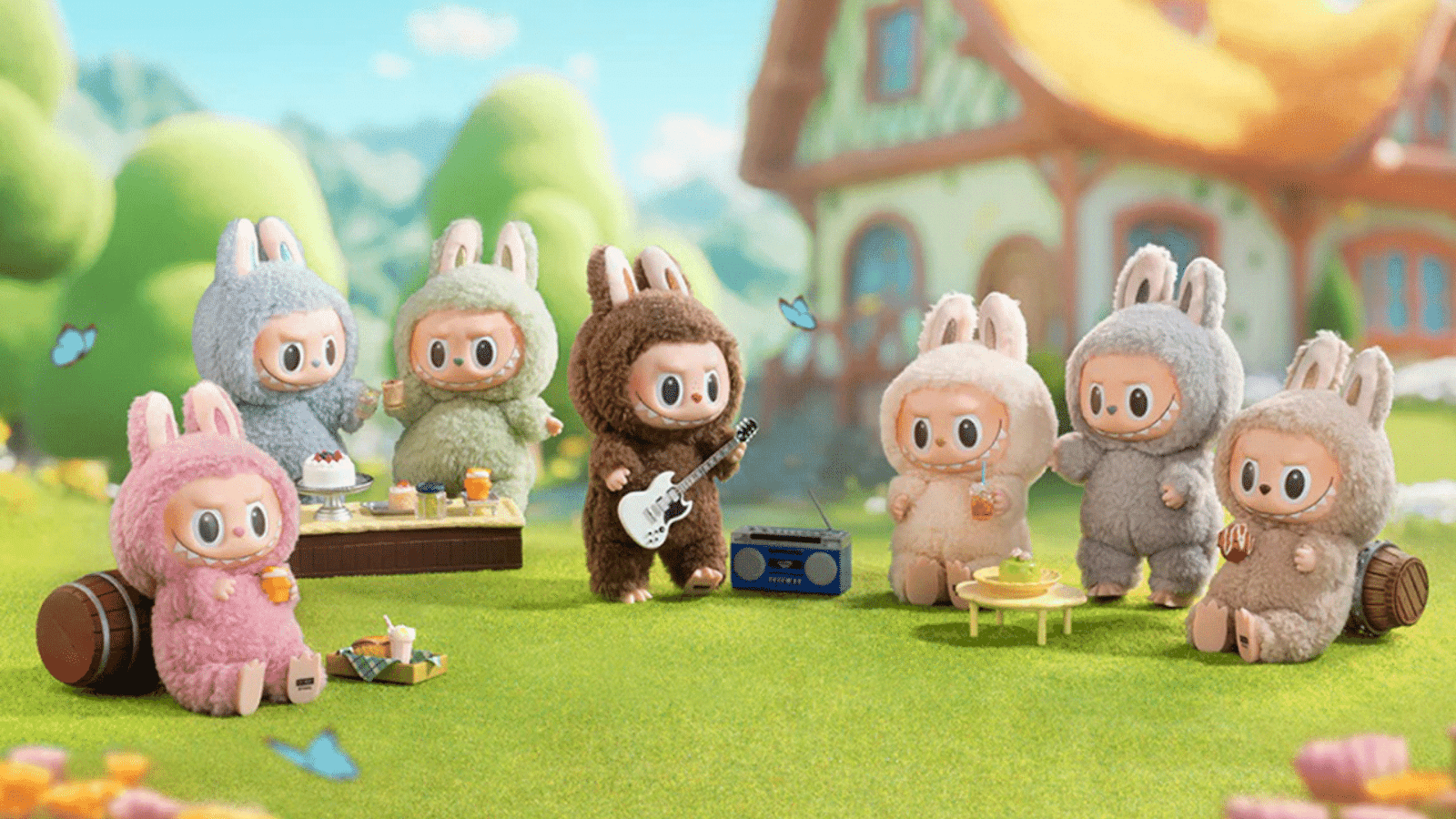
Labubu is the brainchild of Hong Kong-based artist Kasing Lung, originally introduced through his art project “The Monsters.” It doesn’t follow the formula of your average cute collectible. With its wide, toothy grin and unsettling eyes, Labubu walks the line between charming and creepy.
But that’s exactly the point.
Labubu isn’t for everyone. And in that lies its power. It’s emotional, expressive, and imperfect. These qualities make it feel deeply human. That emotional range is what turns casual buyers into collectors. From Gen Z art toy enthusiasts to design-conscious adults, Labubu hits a nerve that feels personal.
How POP MART Turned a Niche Toy Into a Global Brand Engine
Behind Labubu’s global rise is POP MART, the Chinese collectible toy giant. It’s a retail phenomenon that figured out how to package art, emotion, and randomness into a scalable product.
From flagship stores in Beijing to collabs with artists across continents, POP MART built a system that takes niche art and delivers it at scale. Labubu became one of its flagship IPs, and arguably, its crown jewel.
POP MART’s specialty? Blind-box culture. You buy a box. You don’t know which character you’re getting. You chase the rare ones. You trade. You collect. You repeat.
They bridged the gap between high-end art toy culture and everyday accessibility. No galleries, no gatekeeping. Just grab a box and you’re part of the world.

The Business Model: Scarcity, Blind Boxes, and Repeat Purchase Behavior
The genius of Labubu isn’t just in the design. It’s in the business model.
Each release is structured as a limited, surprise-based, and time-sensitive drop. Buyers never know which variation they’ll get. That uncertainty? It’s not a bug. It’s a feature.
1. Blind-Box Gamification
At the heart of the model lies the blind box: a sealed, identical-looking package that hides one of several possible figurines. You don’t know which one you’re getting until you open it.
This format transforms a single purchase into an emotional event. It’s not just about buying. It’s about hoping, guessing, and unboxing. And that anticipation fuels repetition.
This unpredictability also invites community behavior. Collectors gather online to trade, swap, or show off their hauls. It’s gamified commerce that turns consumers into players.

2. Scarcity-Driven Hype
With Labubu, every series is limited. Each drop is a moment. And within every set, there are chase figures that are ultra-rare variants you might only find once in every 144 boxes.
This scarcity does two things. First, it brings a sense of urgency and FOMO to every purchase. Second, it fuels resale value. The rarer the item, the higher it resells, making it a status symbol for whoever finds it.
POP MART also smartly ties limited series drops to holidays, seasons, or cultural events, never restocking once the drop ends. This artificial scarcity pushes demand and creates resale value. Some rare Labubu figures go for 3–10x their original price on secondary platforms.

3. Community Culture
The model naturally builds community. Because not everyone gets what they want the first time, collectors turn to each other. Timed releases become events. Fans mark dates, share countdowns, and set alarms. Every drop becomes a shared occasion across the community.
Labubu fans, everywhere, share hauls, unboxing videos, trade alerts, and wishlists. The randomness of the blind box fuels interaction, making it a social sport.
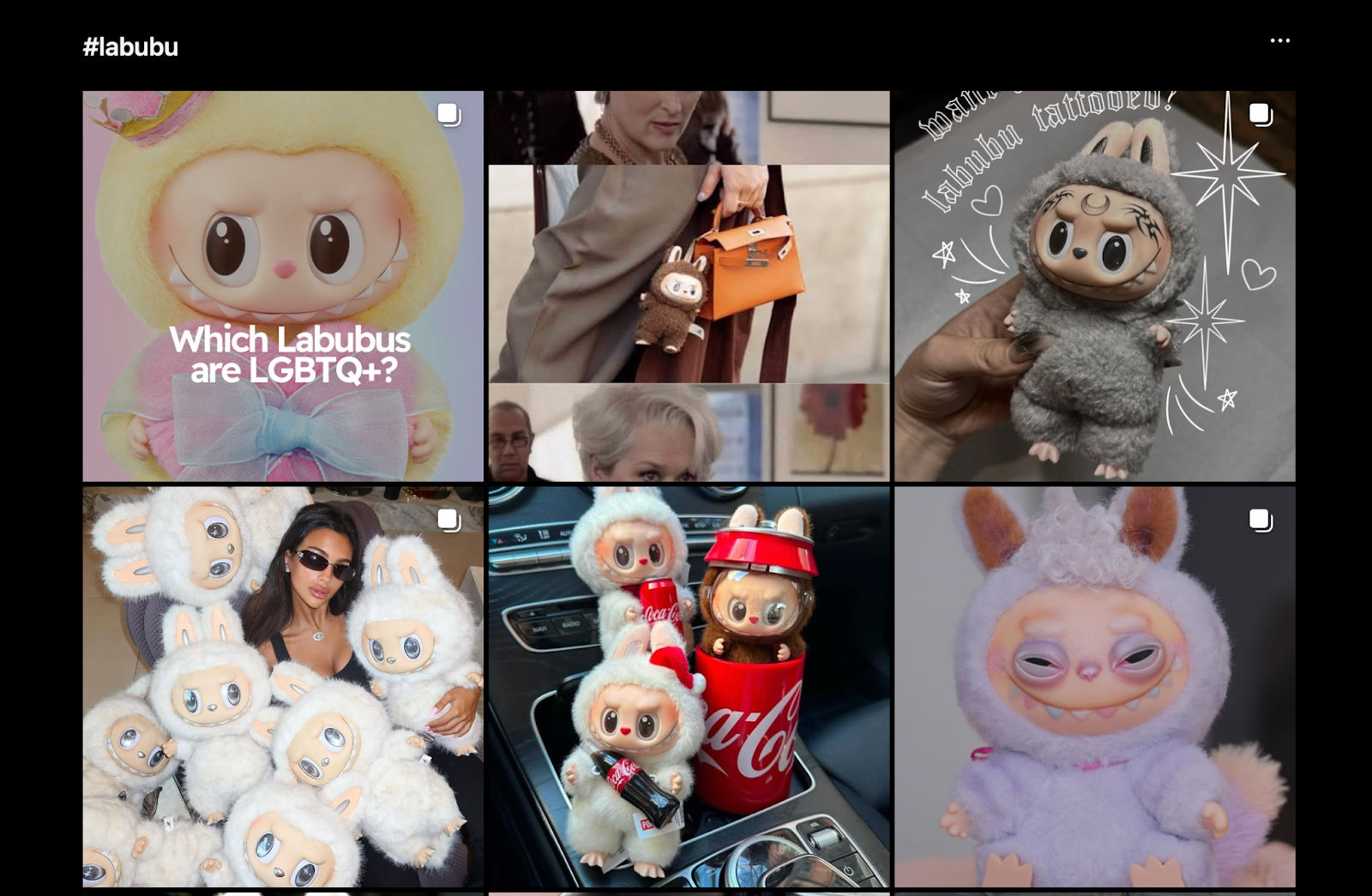
It’s no longer just about what you bought. It’s about who else got what, how you managed to trade, and how complete your collection is.
And the fascinating part? This is all intentional. POP MART doesn’t just sell figures. It sells habits. And for Labubu, that habit is built on emotional storytelling, designed surprise, and just enough scarcity to keep you chasing.
Emotional Branding: Why People Collect Labubu
Labubu isn’t polished. It’s weird, flawed, and expressive. And that’s what makes it lovable.
The emotional pull is strong because the character mirrors real human traits:
- Mischievous but innocent
- Ugly-cute but charming
- Outsider but loved
Labubu taps into childhood nostalgia, outsider identity, and the universal love for small, strange things. For many, collecting Labubu is more than a hobby, it’s self-expression.
It also becomes a social signal. Owning a rare Labubu isn’t just about the figure. It’s about identity, taste, and status within a tight-knit community. Online, collectors share hauls, build shelves, and curate feeds—all centered around this one oddball monster.
The Power of Secondary Markets
POP MART may control the initial sale, but resellers control the narrative.
Labubu figures are a hot property on platforms like eBay, Xianyu, and collector-specific Discord channels. A rare $10 Labubu can resell for $300+. The resale economy builds value perception, fuels FOMO, and encourages repeat purchasing from buyers hoping to score big.
Collectors aren’t just emotionally invested. They’re financially invested. And that makes the ecosystem even stickier.
Going Global: Why Labubu Resonates Everywhere
Labubu doesn’t speak a language. And that’s precisely its superpower. With no dialogue, catchphrases, or cultural timestamp, Labubu connects through visual storytelling.
This design-first approach gives Labubu global resonance. And POP MART has scaled that beautifully.
Their global expansion is experience-driven. Think:
- Pop-ups in design-led cities like Tokyo, Seoul, Paris, and LA that blur the line between store and gallery
- Exclusive region-specific drops, driving urgency and giving collectors everywhere a reason to care
- Digital-first access through POP MART’s app and global e-commerce, so international fans aren’t left out of the hype
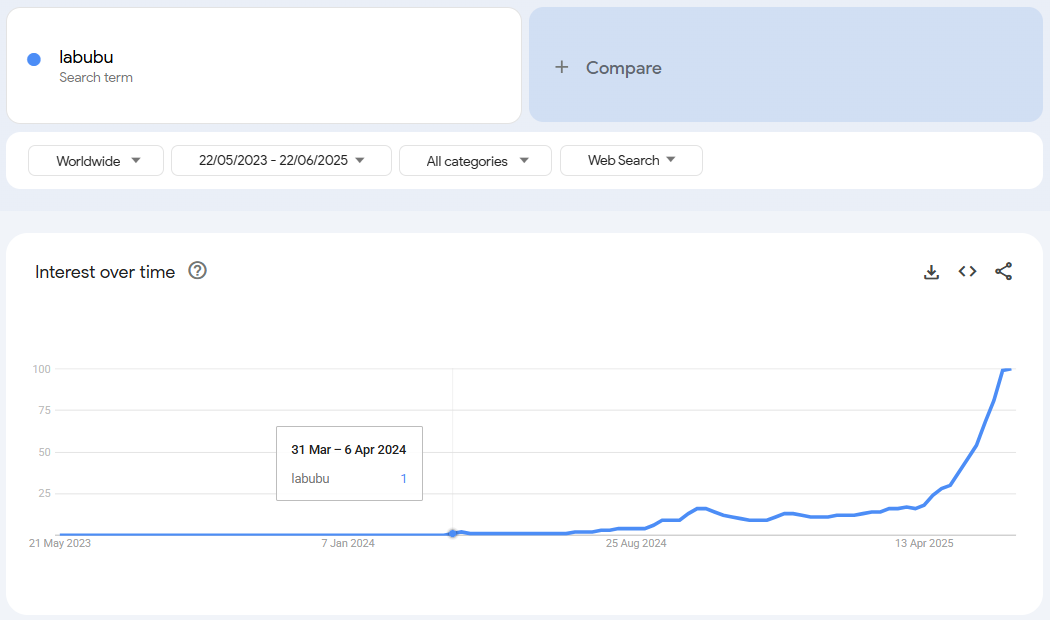
But perhaps the biggest global unlock came in April 2024, when Lisa from BLACKPINK was filmed carrying a Labubu keychain and later posted it on her Instagram. This purely organic exposure sent Labubu into overdrive, driving social virality, resurgent sales across Southeast Asia, and renewed interest worldwide.


Labubu Branding Strategy Takeaways
Labubu might be a tiny monster, but the lessons it offers to brand builders are massive. Here’s what it gets right, and how modern brands can apply the same principles:
1. Build a character, not just a product
Characters create emotional stickiness. They evolve, they surprise, and they connect with people on a deeper level. Labubu isn’t just a figure. It’s part of a world, with moods, outfits, and seasonal arcs. That emotional storytelling turns passive buyers into lifelong fans. If your brand has no soul, people will move on. If it has a character, they’ll stick around for the next chapter.
2. Emotion + scarcity = long-term brand equity
Scarcity on its own can feel manipulative. Emotion without scarcity can lack urgency. But together? They build value over time. Labubu releases are limited and emotionally themed—Christmas Labubu, Spring Labubu, Witch Labubu. That combo creates anticipation, nostalgia, and the feeling of “I need to have this one too.” Emotional scarcity builds demand.
3. Community is your best distribution channel
POP MART doesn’t need to rely on billboards. Labubu fans do the talking, on Discord, Instagram, Xiaohongshu. They trade, review, display, and unbox. It’s not just word-of-mouth. Brands that design for community (not just consumers) tap into free, organic reach. You don’t need to chase virality if your people want to talk about you anyway.
4. Design for imperfection
Labubu isn’t glossy or symmetrical. It has oversized ears, tired eyes, and a wild toothy grin. But that’s the charm. Too many brands chase polish, when what audiences really connect with is quirk, humanity, and imperfection. Whether it’s your visuals, your messaging, or your product, let it be a little weird. That’s what makes it memorable.
5. Let your audience drive the hype
Labubu didn’t go viral through an ad spend. It went viral through trading forums, resale spikes, influencer sightings, and organic FOMO. It’s a masterclass in enabling, rather than manufacturing, buzz. Instead of shouting louder, Labubu gave its community something to talk about. Your job isn’t to control the narrative. It’s to feed it with enough moments that your audience takes it from there.
6. Create drops, not launches
Traditional launches are big, expensive, and often forgotten. Labubu, on the other hand, drops new collections regularly, each with its own story, packaging, and collectible charm. These aren’t one-time events. They’re rituals. When you treat brand moments like drops, you create anticipation, loyalty, and rhythm.
Brands that want to stick around need more than products. They need stories, scarcity, emotion, and community. Labubu delivers all four.
Conclusion
Labubu is proof that emotional connection can scale.
It didn’t follow the usual rules of branding. It didn’t try to be for everyone. And that’s why it worked. It leaned into art. Scarcity. Emotion. And let the community do the rest.
For brands today, the takeaway is clear: you don’t need mass appeal to build massive value. You just need meaning, and a model that brings people back.
Looking to build a brand people genuinely connect with and come back to?
We help craft brand stories, drop strategies, and emotional hooks that drive long-term demand.