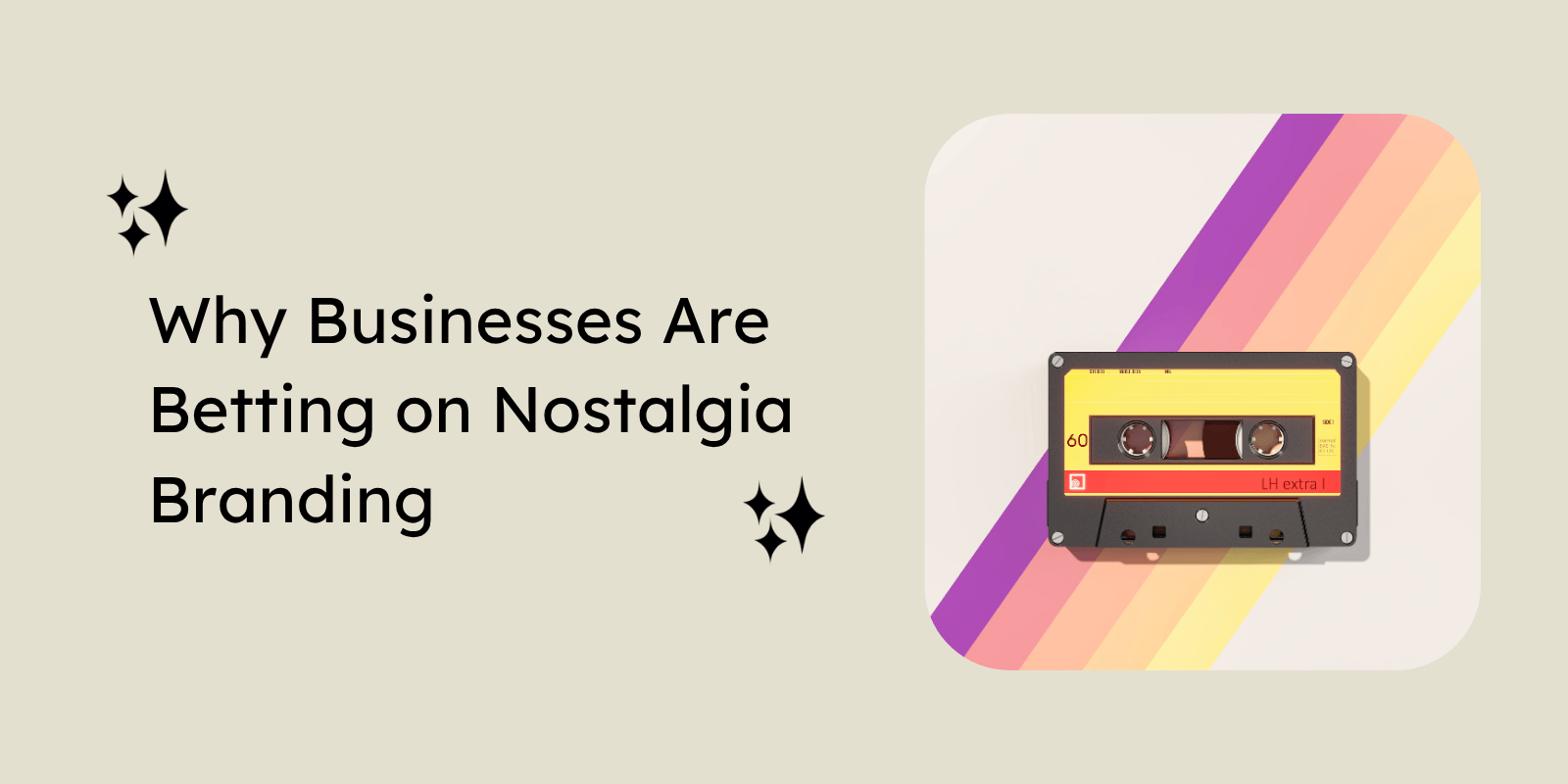
Ever notice how some brands feel instantly familiar, almost like you’ve seen them before? That’s not accidental. It comes from nostalgia, and today, it’s being used intentionally in branding to build trust and create a stronger emotional connection.
As things keep changing quickly, brands are leaning into what people already recognize. Familiar cues, whether in design, tone, or product experience, make a brand easier to understand and trust.
This isn’t about going back for the sake of it; it’s a deliberate way to stand out while staying relatable. Nostalgia, in this sense, is less of a style choice and more of a strategic tool.
So, why are brands using it so actively now, and what makes it work so well? Let’s get into it.
Why Businesses Are Using Nostalgia Branding
Brands use nostalgia to make themselves easier to recognize, relate to, and trust, without needing to explain too much. Here are 10 clear reasons why this approach continues to work.
1. Nostalgia Builds Instant Emotional Trust
Nostalgia works because familiarity reduces cognitive effort. When something feels known, perceived risk drops and trust follows, because it doesn’t feel uncertain. In markets where new brands keep making similar promises, people don’t evaluate deeply; they default to what feels familiar and therefore more reliable.
This is exactly how Levi’s approached the 501. Instead of reinterpreting the past, they restored it, bringing back the pre-2000s cut, shooting on 35mm film with natural grain, using copy from 1970s print ads, and casting people who reflected the original era.
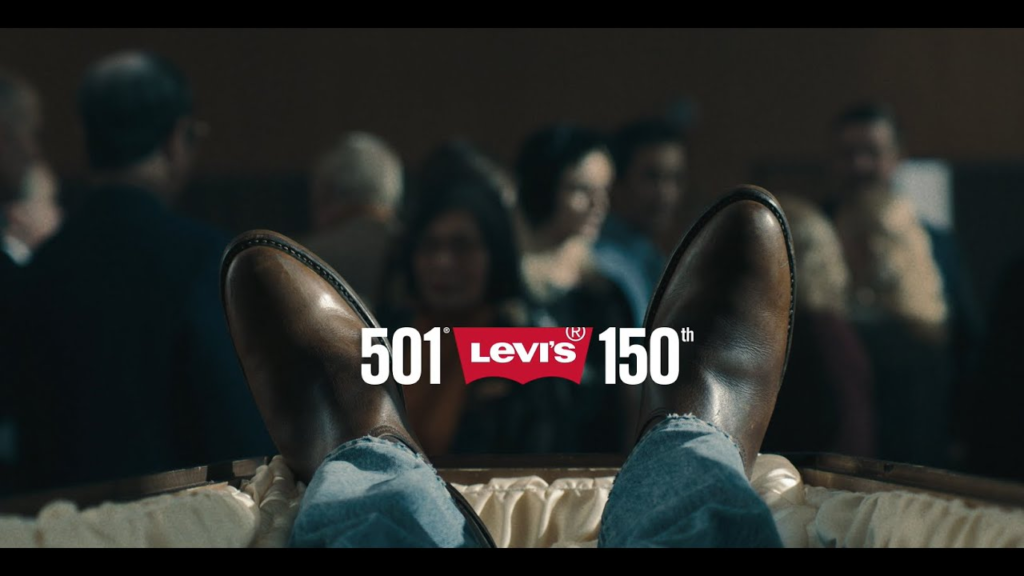
This level of accuracy contributed to a recovery in 501 sales by re-establishing trust in what the product stands for. The point is simple: nostalgia builds trust only when it is executed with specificity; otherwise, it reads as surface-level styling.
2. It Future-Proofs Your Brand Through Timeless Design
Nostalgic branding is not about looking back; it’s about deciding what stays consistent as everything else evolves. When a brand holds onto recognisable elements, they become reference points people associate with it over time.
This consistency builds long-term value. Each repeated cue strengthens recall, making the brand easier to recognise and harder to replace, while still allowing it to evolve without losing its identity..
3. Nostalgia Signals Longevity and Stability
Buyers don’t just assess the product; they assess the brand behind it.
Will it last?
Is it reliable?
Will it still be around?
Nostalgia answers these questions by showing continuity over time. It signals that the brand has existed, endured, and remained consistent, reducing uncertainty before a decision is made.
Lego applied this through its Classic Sets, aimed not at children but at adults who grew up with the brand.
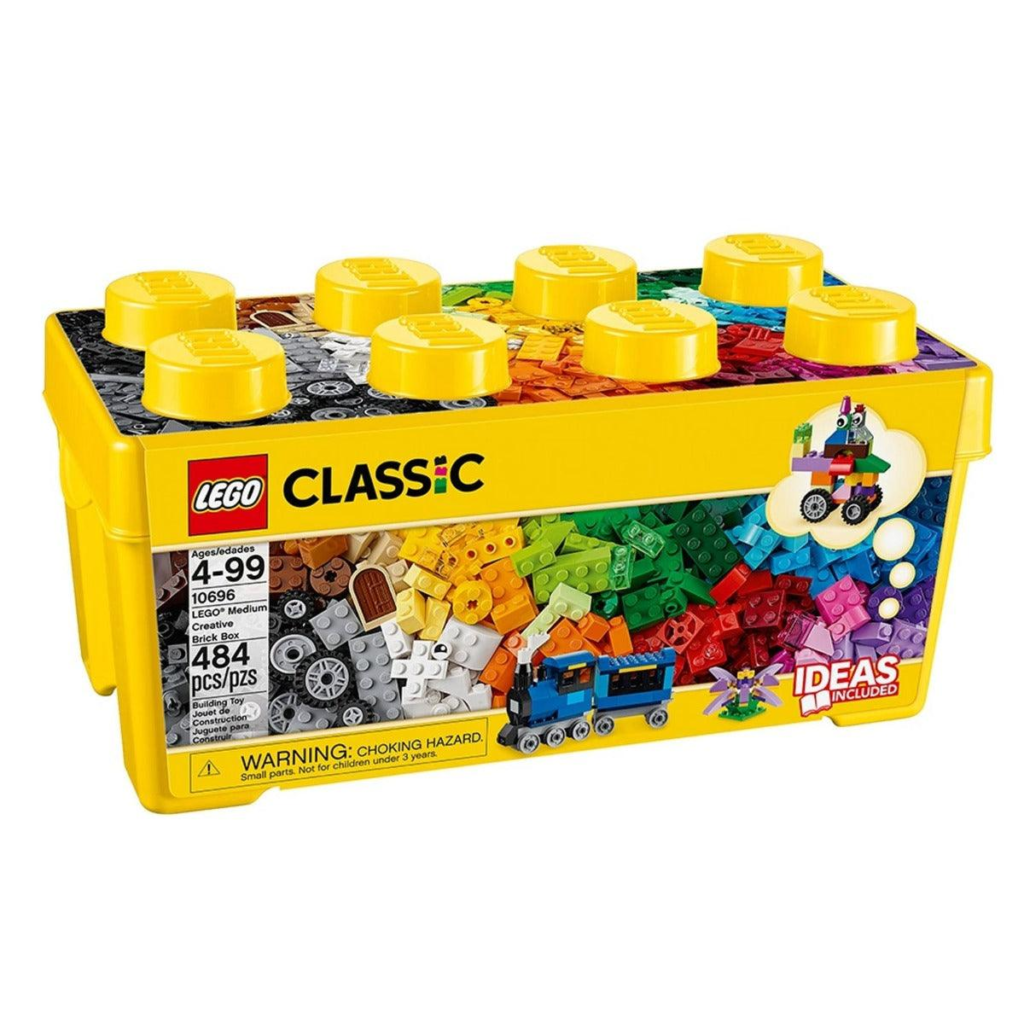
The builds stayed true to original configurations, packaging reused archival box art and numbering, the AFOL community was recognised, and pricing reflected collector value rather than mass play. Nostalgia signals stability only when it reflects real heritage, not an approximation.
4. Nostalgia Fuels Viral Organic Word-of-Mouth
Nostalgia triggers a specific kind of sharing. People don’t just engage with it; they bring others into it. That “remember this?” behaviour combines memory, identity, and social bonding, making it highly likely to spread.
Because of this, distribution becomes built-in. The more specific the reference, the stronger the reaction, and the more people feel compelled to share it with others who relate. This isn’t passive reach. It’s active participation, where users extend the brand’s visibility by connecting it to their own memories and networks.
Nostalgia turns sharing into a natural response, making word-of-mouth a primary driver rather than a secondary effect.
5. Nostalgia Reduces Decision Anxiety
Any new product introduces uncertainty. When something feels unfamiliar, people hesitate and delay decisions. Familiar cues reduce that friction; things feel easier because less needs to be figured out.
This matters even more where change involves effort or cost. Familiarity lowers resistance and speeds up acceptance.
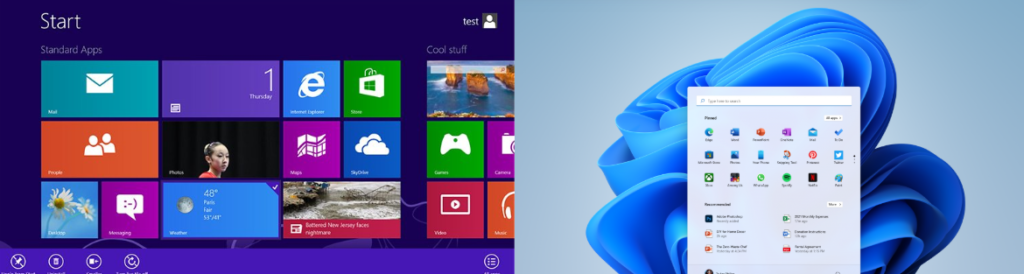
Windows 11 applied this by updating the visuals while keeping the structure intact. The interface looked new, but core interactions stayed the same, unlike Windows 8, which broke familiar patterns and faced resistance.
6. It Anchors Brand Identity Across Generations
Most brands shift as they target new audiences, often losing continuity. Nostalgia keeps the brand consistent while still appealing across generations. For older audiences, it reinforces familiarity. For newer ones, it adds credibility without the need for an introduction.
This creates a bridge without changing the core identity. Nintendo is a clear example, holding a consistent identity from the 90s to now while staying relevant. Over time, this continuity strengthens recall and keeps the brand relevant.
7. Nostalgia-Driven Branding Commands Premium Pricing
When a product carries cultural meaning, the purchase shifts from functional to symbolic. Buyers are no longer comparing features or price; they’re buying something that feels significant. That shift moves them out of price-comparison mode.
Nostalgia amplifies this. A familiar design, combined with a sense of rarity, increases perceived value and makes people more willing to pay. This is especially effective in categories where the product itself doesn’t differ much.
I saw this play out recently, retro Coca-Cola bottles priced at more than double a regular Coke, simply because of how they were packaged and presented.
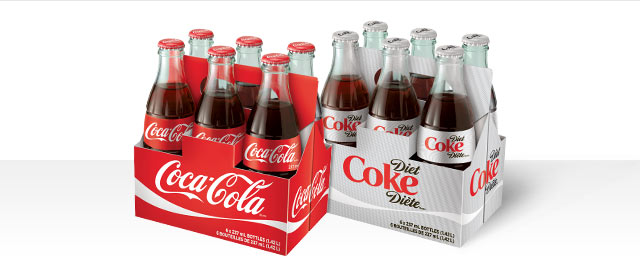
The product was the same, but the meaning attached to it wasn’t. Nostalgia drives premium pricing when it turns a product into something people want to own, not just consume.
8. It Makes Abstract Brands Feel Human and Tangible
Brands often operate at a level that feels distant, built on ideas, systems, or promises that aren’t easy to grasp. That distance makes them harder to relate to and trust.
Nostalgic branding reduces that gap. Familiar cues through visuals, language, or design add context people already understand, making the brand feel more real and less abstract. Instead of explaining what the brand is, nostalgia lets people feel it through recognition. It gives the brand form, texture, and a sense of presence.
9. It Creates a Sense of Belonging and Tribal Identity
People don’t just choose products; they choose what those products say about them. The tools they use signal how they think and what they value. Nostalgia sharpens that signal.
Elements like serif type and paper-like surfaces suggest something more deliberate and less corporate, attracting users who see themselves that way.
Notion built this directly into its product. In a category defined by structured, utilitarian tools, it introduced a notebook-like interface with serif typography and minimal visual noise, making digital work feel closer to how people used to think and organise ideas.
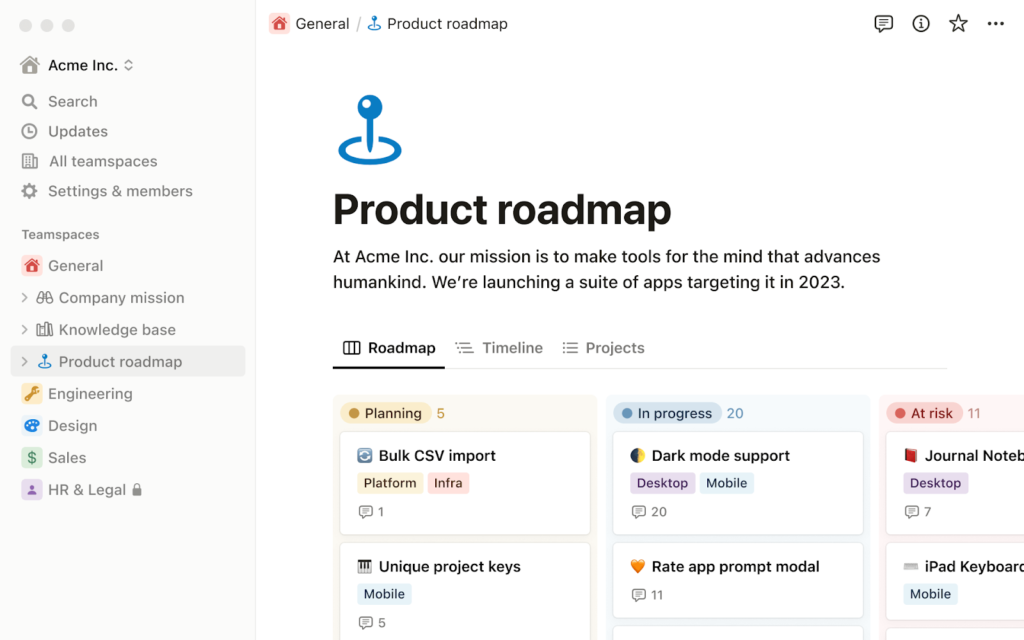
This led users to share their setups openly, turning the product into a reflection of identity rather than just a tool.
10. It Differentiates in Overcrowded Markets
As categories grow, brands start to look the same. In SaaS, this shows up in repeated patterns, like similar colours, types, and language around efficiency and scale. Nostalgia offers a way out. It gives brands a clear reference point, so differentiation feels intentional rather than arbitrary.
Slack applied this by building an identity that moved away from standard enterprise norms and felt more human:
- High-contrast colour system → broke visual sameness
- Informal tone → replaced system-like language
- Softer logo geometry → reduced rigidity
- Personality in product states → added depth to the experience
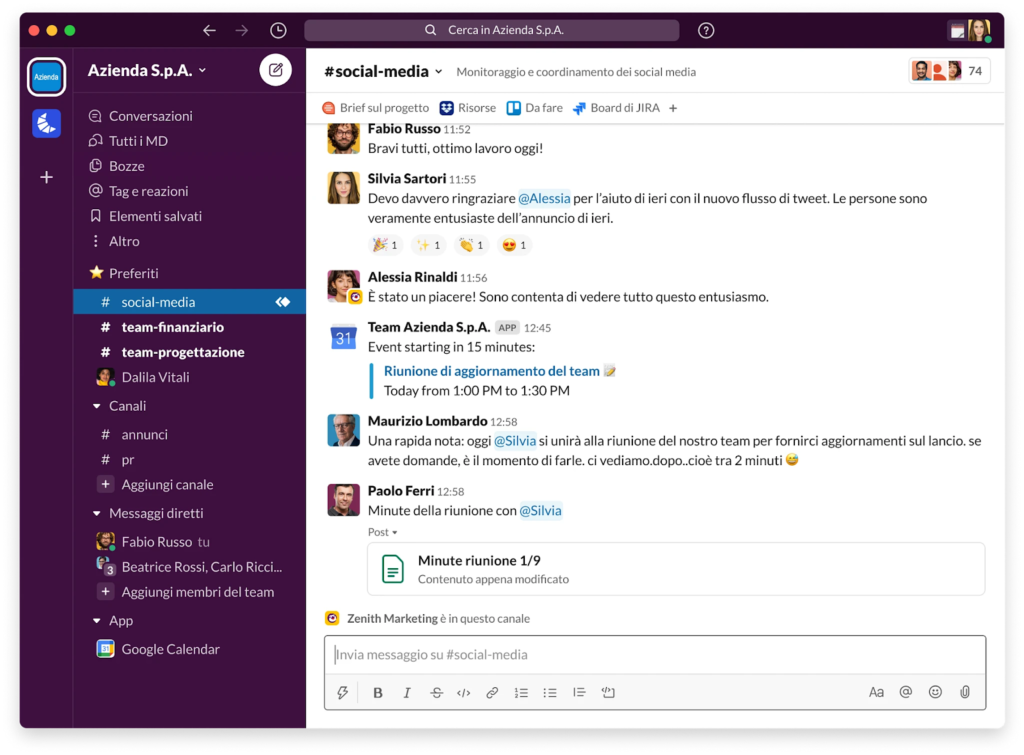
This created a distinct brand presence in a uniform category. Nostalgia works here when it shapes behaviour and identity, not just aesthetics.
Conclusion
Nostalgia isn’t a campaign or a trend to tap into. It works as a structure for building trust. Brands that use it well treat familiarity as an asset, something that compounds over time and reduces the need to constantly re-explain who they are.
The question isn’t which era to reference. It’s what your brand already owns that people recognise and trust, and how consistently you carry that forward. That’s a strategy decision, not a design one.
At Brand Strategy Lab, we’ve spent over a decade helping brands define and scale that clarity into positioning that holds and converts. If you’re looking to build something that lasts, book a call today.