There are over 10,000 apps in the Shopify App Store, yet merchants consistently choose the same few. The gap isn’t just about features or pricing; it comes down to how clearly an app builds trust and stands out at first glance.
In a space where many tools solve similar problems, perception plays a bigger role than most expect. The way an app presents itself often decides whether it gets installed or ignored. This is especially relevant for Shopify app founders, product teams, and marketers aiming to cut through the noise and drive meaningful adoption.
In this blog, we’ll break down why branding matters so much for Shopify apps, backed by real examples that show how strong branding directly impacts growth.
Why Shopify App Branding Matters More Than Features
Features don’t stay unique for long; they get copied fast. In a crowded Shopify ecosystem where many apps solve the same problem, merchants don’t evaluate every option deeply. They scan, compare, and rely on quick signals to decide.
That’s where branding matters. It builds trust, creates familiarity, and makes your app easier to recognize and choose. Over time, this becomes a stronger advantage than features, driving installs, recall, and long-term growth.
10 Reasons Shopify App Branding Should Be Your Focus
Here are the 10 reasons Shopify apps should focus on branding to stand out, build trust, and drive consistent growth:
1. First Impressions in the App Store Are Everything
Merchants browsing the Shopify App Store make split-second decisions. They’re not reading descriptions; they’re scanning your icon, headline, and first screenshot. If those don’t instantly communicate what your app does and why it matters, you’ve already lost them. Your listing isn’t a product page. It’s a billboard. And in that moment, clarity and visual identity do all the work.
Omnisend does this well by leaning into familiar visual cues. The use of white and green subtly aligns with Shopify’s own ecosystem, making it feel instantly relevant to store owners.

The interface looks clean, structured, and easy to understand at a glance, so merchants don’t have to work to “get it.” That sense of familiarity builds immediate comfort.
2. Branding Builds Trust With Risk-Averse Merchants
Installing a Shopify app isn’t a casual choice. Merchants are giving access to their store, customer data, and often critical workflows. That naturally creates hesitation. And in those moments, decisions aren’t just based on features, they’re based on trust signals.
Does this feel reliable?
Does this look like a serious company?
Weak branding answers those questions in the wrong direction.
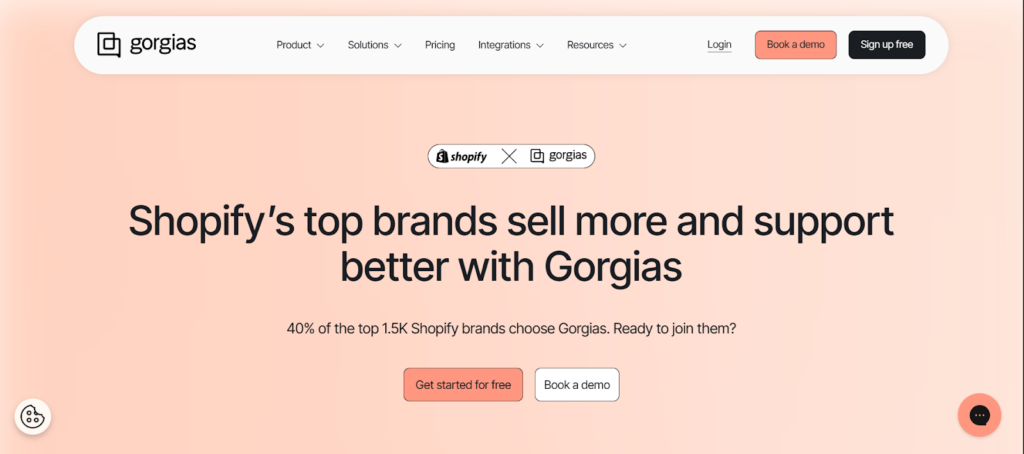
For example, Gorgias uses branding to reinforce that trust. Its visual style, tone, and UI remain consistent across the website, app, and support docs. That cohesion signals discipline and attention to detail, qualities merchants associate with reliability.
3. It Reduces Churn by Creating Emotional Loyalty
Churn isn’t just about product gaps; it’s about lack of attachment. If a merchant is only staying because your app works, they’ll leave the moment a better or cheaper option shows up.
That’s where branding makes the difference. Yotpo has used it to create continuity as it expanded from reviews into loyalty, SMS, and subscriptions.
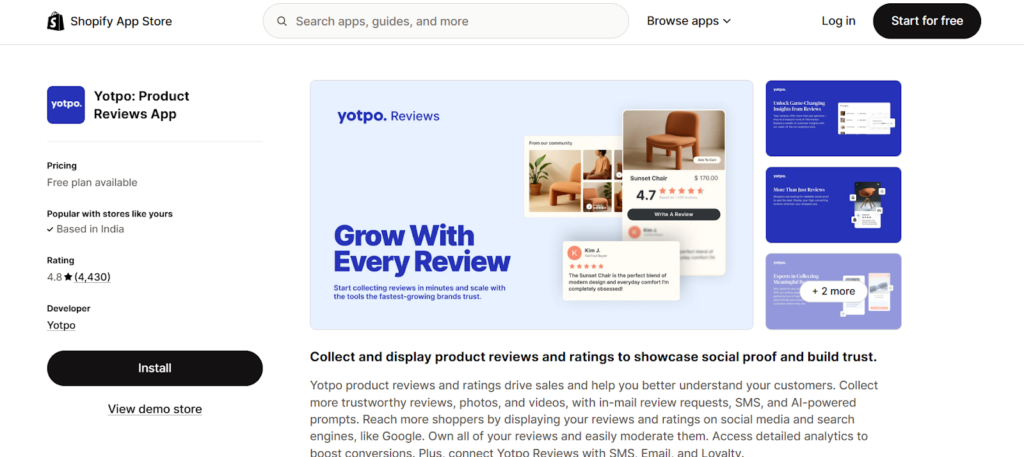
Merchants didn’t churn; they adopted more. Not because every feature led the category, but because the brand consistently signaled a premium, performance-driven ecommerce experience.
4. Strong Brands Command Higher Pricing
Price sensitivity drops when brand strength rises. The question shifts from “is this worth it?” to “are we ready for this?” and that shift is driven by branding, not features.
Klaviyo is a clear example. There are cheaper email tools available, and merchants know it. Yet many still choose Klaviyo and pay a premium.
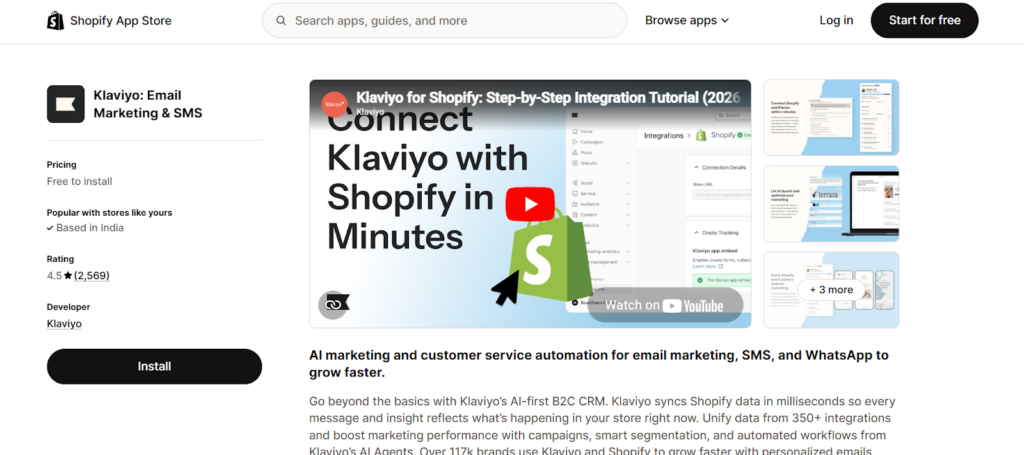
The brand signals sophistication, precision, and scale, it feels like the tool serious ecommerce operators use. That perception changes how pricing is evaluated. Merchants don’t question the cost; they question their readiness.
5. Branding Differentiates You in a Crowded App Store
Open any Shopify App Store category and listings quickly blur together. Similar visuals, similar claims. In that environment, merchants default to install counts and ratings, something newer apps can’t rely on.
Loox avoids that trap through branding. Instead of competing as just another reviews app, it positions itself around a clear idea, photo-driven reviews that make stores look better. This shows up consistently in its name, visuals, and product experience.
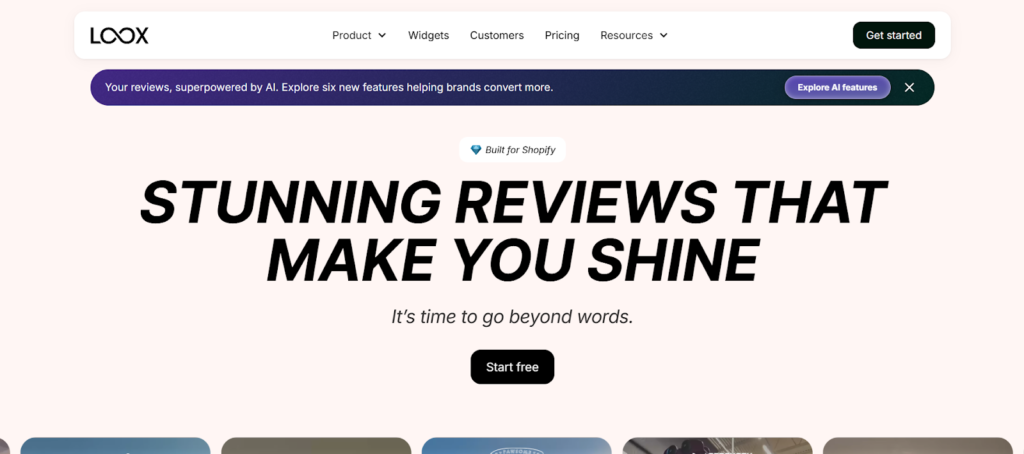
That clarity becomes the differentiator. Instead of blending in, Loox stands out in perception, making it easier to notice and choose, even without leading on metrics.
6. It Makes Word-of-Mouth and Referrals Stick
Merchants recommend tools all the time, but those recommendations only convert if the name is remembered. If it’s vague or forgettable, it disappears the moment the conversation ends.
TxtCart benefits from clear, intentional branding. The name itself explains the product (SMS for cart recovery), making it easy to recall, spell, and search.
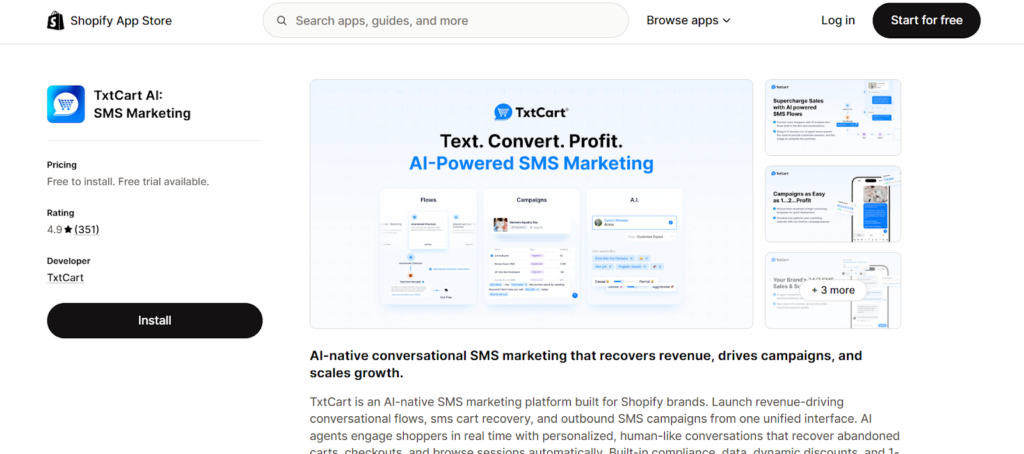
So when a merchant hears “TxtCart recovered our abandoned carts,” it sticks.
7. Consistent Branding Improves In-App Experience and Reduces Support Load
Inconsistent branding creates friction. When emails, dashboards, and help docs feel disconnected, merchants get confused. Over time, that confusion leads to drop-offs and support tickets. Consistent branding makes the product feel easier to use, even if nothing else changes.
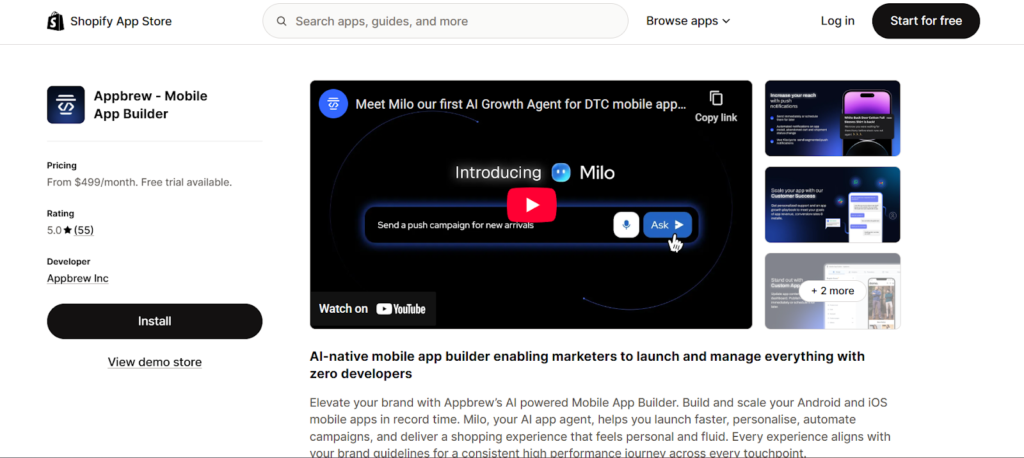
AppBrew does this well by carrying a unified design and tone across its app store presence, onboarding, dashboard, and communication. Nothing feels out of place. Merchants stay oriented throughout the experience, which reduces confusion.
8. A Clear Brand Makes Paid Ads and Content Marketing 10x More Effective
Running ads without a clear brand means every impression starts from zero. Merchants may see or click, but if nothing sticks, the impact fades quickly. Consistent branding changes that, each touchpoint builds on the last, creating familiarity over time.
Triple Whale executed this well. Its bold identity and confident positioning made its content instantly recognisable across channels.
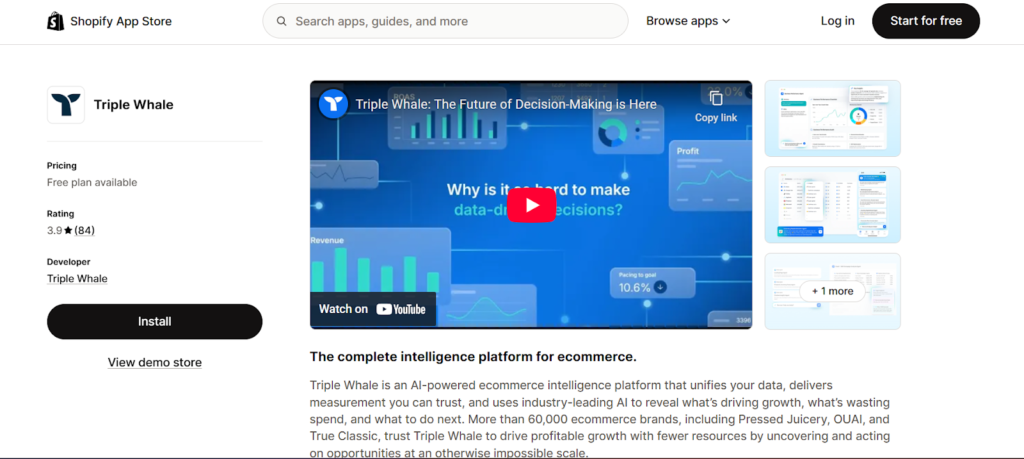
As merchants kept seeing the same signals, the brand became familiar, so when the need for analytics came up, it was already top of mind.
9. Branding Attracts Better Partners, Investors, and Press
Growth isn’t driven by merchants alone. Partnerships, press, and investor interest often depend on how your brand is perceived. A strong brand signals credibility before any conversation starts, making it easier to get taken seriously and move faster in these channels.
Recharge benefits from this. It’s widely seen as the default subscription platform in the Shopify ecosystem.
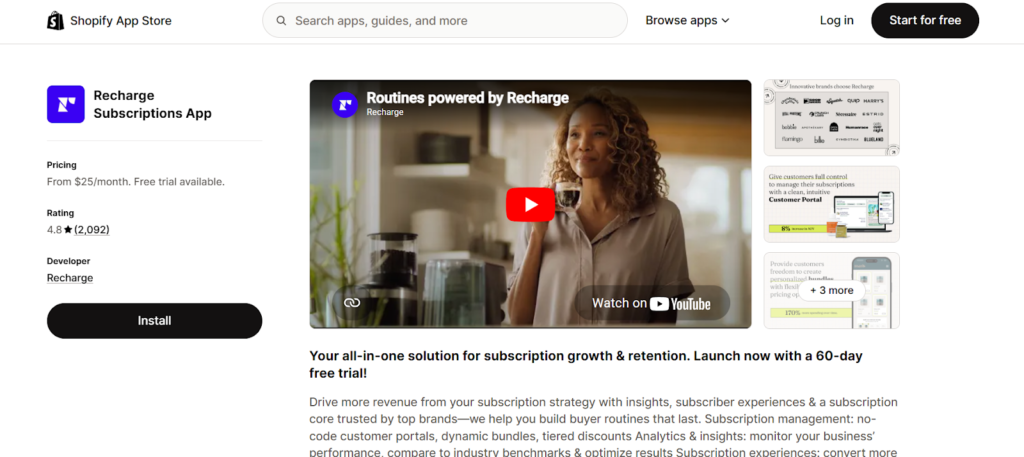
That perception has helped it attract enterprise merchants, co-marketing opportunities, and consistent visibility, despite increasing competition.
10. It Future-Proofs Your App Against Copycats and Commoditisation
The real risk isn’t competition, it’s commoditisation. When another app offers the same features for less, product alone isn’t enough to defend your position. Branding is what creates that protection.
Stamped.io has faced this in a crowded reviews and loyalty space. Instead of relying only on features, it built long-term trust through consistent delivery and a clear, merchant-first identity. That trust compounds over time.
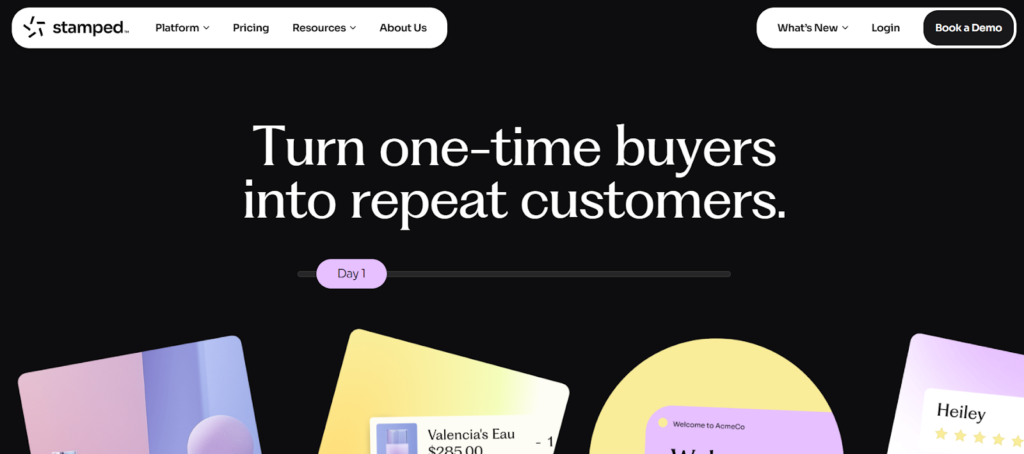
So when competitors launch similar or cheaper options, merchants don’t immediately switch. The brand carries enough goodwill to hold them.
Common Branding Mistakes Shopify Apps Make
Even strong products lose momentum when branding is treated as an afterthought. These mistakes are subtle, but they compound over time, making it harder to stand out, build trust, and grow.
- Looking like everyone else: Generic visuals and copy make your app blend in, giving merchants no reason to remember or choose you.
- Overcomplicating messaging: Trying to say too much reduces clarity; if the value isn’t obvious in seconds, attention is lost.
- Ignoring UX as part of branding: A confusing product experience weakens your brand, no matter how polished the visuals are.
- Inconsistent tone across touchpoints: Different voices across the website, app, emails, and support break trust and feel unreliable.
- Not taking help from professionals or experts: Without the right expertise, branding often lacks cohesion and fails to scale with growth.
Final Thoughts
In a marketplace where features quickly reach parity, branding becomes the only lasting differentiator. The apps that win aren’t always the ones with the most features; they’re the ones that are trusted, remembered, and chosen faster.
And none of them started big; they invested in brand early and let it compound. At Brand Strategy Lab, we’ve spent over a decade helping SaaS and Shopify apps build brands that drive real growth, not just awareness.
If you want your app to stand out and scale with confidence, book a call with our experts today.