

The matcha market is thriving across the globe. But so is the competition!
While there’s opportunity for new businesses to meet consumer demand, there is also equal parts struggle in building a brand that stands out. And it has to do with more than just the quality of the matcha.
You need a brand that tells a story, connects with the audience authentically, and visually disrupts the norm. But that’s easier said than done.
In this post, we’re sharing a detailed guide on branding for matcha businesses – whether you’re launching from your kitchen or scaling to global markets.
The Growth of the Matcha Market
Matcha is a finely ground powder of specially grown and processed green tea leaves. While it has long been central to Japanese tea ceremonies, it has recently made its way to global markets and homes – driven by health trends prioritising antioxidants, natural energy boosters and clean ingredients.
- Market size and growth: According to Grand View Research, the global matcha tea market was valued at USD 2.26 billion in 2022. Its expected CAGR is set to reach 8.7% from 2023 to 2030.
- Drivers of growth: Health and wellness trends, the rise of specialty cafés, Instagram-friendly beverages, and its integration into food, desserts, and skincare is making matcha a favorite amongst all.
- Emerging segments: Beyond traditional tea, matcha is now used in lattes, bakery products, smoothie powders, ceremonial grade packs, beauty products, and supplements. There are several other use cases being explored by different industries.
Now while this rapid expansion brings business opportunities – it also comes with increased competition.
There are new matcha brands emerging every day – which means, taste alone isn’t enough.
Your brand identity, positioning and experience define whether customers will remember and choose to engage with your business again or not.
Why Branding is Important for Matcha Businesses in 2026
Here’s why you will see leading matcha businesses focusing on branding a lot more lately:
- Market differentiation – Matcha products look similar; green powder in minimalist packaging. Your branding is what distinguishes you beyond the product features you cannot change.
- Communicating authenticity – The quality of matcha varies by region, cultivation and grade. Branding is what helps communicate authenticity, origin stories and create a brand perception that delivers premium value to build customer trust.
- Emotional connection – Branding is what enables you to connect with customer aspirations. This could include health and mindfulness, luxury indulgence or just everyday vitality.
- Commanding pricing – Strong branding can also help your matcha business justify higher prices. This is especially important in a category where ceremonial grade matcha can cost 10x more than culinary grade.
- Community building – Good branding creates familiarity, fosters loyalty and drives referrals. Visuals, storytelling and branded experiences help make your business sticky in competitive markets.
Step-by-Step Guide to Branding Your Matcha Business
After working with several businesses across the globe, here’s how we recommend approaching matcha branding:
1. Define Your Brand Strategy
Before designing logos or choosing the colors and fonts, start with a comprehensive strategy. This should include well-documented answers to the following questions in as much detail as possible:
- Who is your target audience – Are you targeting busy professionals seeking energy without jitters, holistic wellness enthusiasts, café owners, or skincare enthusiasts?
- What is your brand mission and vision – What is that you want to address through your business. For example, “To bring the authentic taste and meditative ritual of Japanese matcha to health-conscious consumers globally.”
- What are your brand values – Based on who and why you’re building the business, your values can include aspects like – sustainability, authenticity, minimalism, tradition, innovation.
- What is your unique selling proposition (USP) – Since the core product is the same, you want to identify what makes you different. Is it single-origin ceremonial matcha? Eco-friendly packaging? Elevated café-style blends?
2. Craft a Memorable Brand Name
The next thing you need to address is the name with which you will take your matcha business to the market. Test names with potential customers to ensure clarity and resonance, but follow some of these best practices:
- Relevant to matcha or its benefits (e.g. ‘Matchaful’, ‘Encha’)
- Easy to pronounce and remember globally
- Available as a domain and on social media handles
- Free of negative connotations in target languages
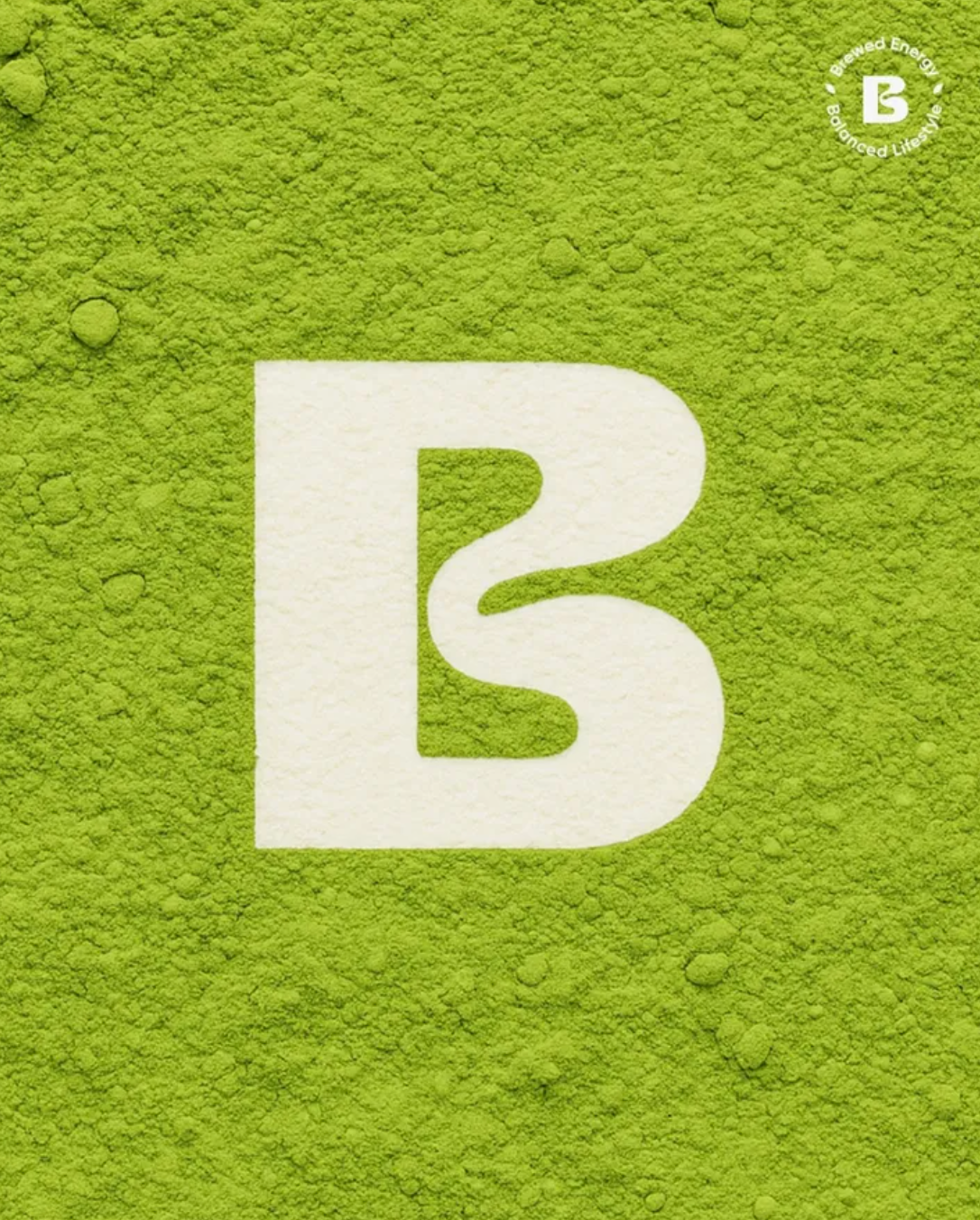
Here’s an example from Bree Matcha:
3. Develop Visual Brand Identity
This is the step at which we recommend working with branding experts instead of relying on online design tools or free palette generators. This includes the following:
- Logo design – Aim for simplicity with meaning. We recommend integrating Japanese symbols, matcha whisks, or stylised leaf motifs to make the brand a little more obvious.
- Color palette – Green is an obvious choice but explore complementary neutrals, earthy tones, or gold accents to stand out.
- Typography – Fonts should reflect your brand personality. Follow what matcha stands for globally by choosing those that are minimalist, traditional, or bold and modern.
- Packaging design – Your packaging conveys freshness, quality, and origin. Use it to tell your story and showcase certifications like ‘organic’ or ‘ceremonial grade’.
4. Build Your Verbal Brand Identity
We call this step giving a voice to your matcha brand. This is what it should include in detail:
- Brand messaging and tagline – Craft taglines communicating your promise. For example, “Boost Your Energy” or “Sourced with Ceremony, Served with Soul.”
- Tone of voice – Define whether your brand sounds traditional and respectful, friendly and casual, or aspirational and luxurious.
- Storytelling – Share your brand story. This can include how you source matcha, your personal journey, farmer partnerships, and your passion for quality and wellness.
5. Design Your Website and Online Presence
Create an owned customer touchpoint before you start promoting the matcha business. We recommend setting up a website for your matcha brand. While you can keep it simple to start with, ensure it:
- Reflects your visual branding consistently
- Highlights your product quality, origin, and certifications
- Includes high-quality product images and lifestyle photography
- Features educational content like how to prepare matcha, grades explained, etc
- Has strong calls-to-action for purchases or subscriptions
6. Create Social Media Branding
Social media is crucial for matcha brands to drive discovery. We recommend creating a visual tone of voice for your business through appealing designs, content themes and formats. For example:
- Instagram – Use aesthetic visuals, reels of matcha recipes, farmer features, and customer spotlights.
- TikTok – Share behind-the-scenes packaging videos, matcha hacks, and quick education.
- Pinterest – Ideal for recipes and lifestyle inspiration boards.
Irrespective of the platforms you choose, maintain consistent brand colours, fonts, and tone across platforms for recognition.
Here’s an example from the matcha brand, Serene Sip:

7. Packaging and Unboxing Experience
For DTC matcha brands, unboxing is part of the brand experience. To ensure user generated content starts to work in your favor, consider the following:
- Minimal yet premium packaging
- Eco-friendly materials
- Personalised thank-you notes
- Brewing instructions or brand story cards
Here’s an example from the upcoming matcha brand we’ve worked on, Serene Sip:


And here’s one from Bree Matcha:

8. Collaborate with Brand Ambassadors
Partner with wellness influencers, chefs, or café owners who align with your brand values. Their endorsement builds credibility and expands reach organically. This also helps you convey your brand’s USP in different and authentic ways.
9. Monitor Brand Perception
Once you launch the matcha business, your branding work doesn’t end. We recommend continually tracking how the brand performs to gradually improve aspects that boost its market perception. This includes looking into:
- Customer reviews for packaging, taste, and experience feedback
- Social media mentions and brand sentiment
- Repeat purchase rates and referrals
Conclusion
Thinking about starting your matcha business?
Don’t just over-obsess on the quality of the matcha – but also how you take it to the market. And that means, focusing on how it makes your business looks vs putting in thousands of dollars on advertising the products.
Yes, we’re talking about branding your matcha business right.
Need help? Reach out to our matcha branding experts today.